Introduction
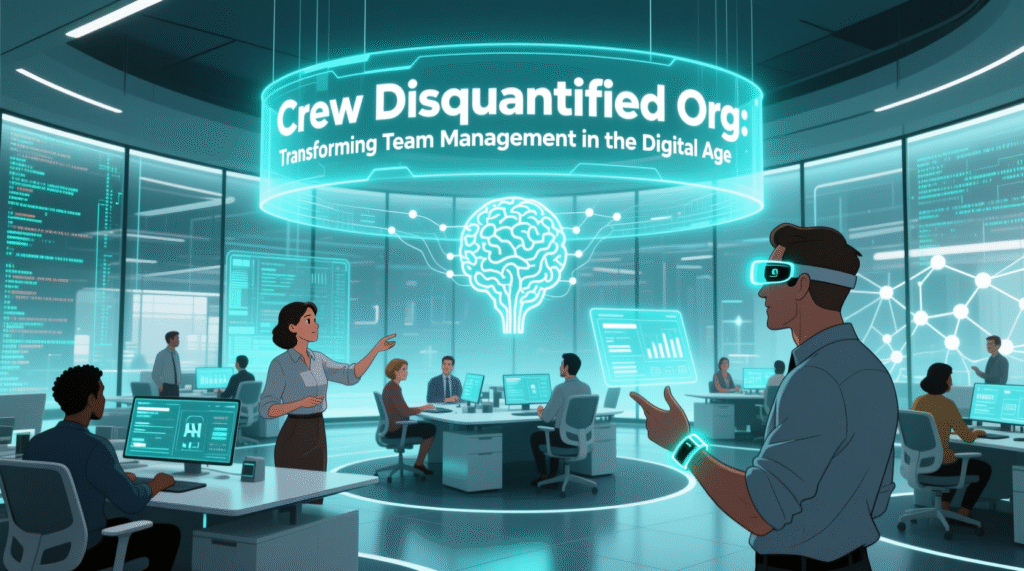
In today’s rapidly evolving digital landscape, organizations are constantly redefining how they operate, collaborate, and scale. One emerging concept gaining attention is Crew Disquantified Org—a term that reflects a shift away from rigid metrics toward more flexible, human-centered operational frameworks. While traditional organizations often rely heavily on quantifiable performance indicators, Crew Disquantified Org introduces a more adaptive and holistic approach.
Crew Disquantified Org, including its meaning, structure, benefits, challenges, and real-world applications. Whether you are a business owner, digital strategist, or curious learner, this comprehensive guide will provide actionable insights and a deeper understanding of this evolving organizational model.
What Is Crew Disquantified Org?
Definition and Core Concept
Crew Disquantified Org refers to an organizational framework that emphasizes collaboration, adaptability, and qualitative performance over strict numerical metrics. Instead of focusing solely on KPIs, revenue charts, or productivity scores, this model prioritizes:
- Human creativity
- Team synergy
- Flexible workflows
- Value-driven outcomes
The term “disquantified” highlights the reduced dependence on rigid data metrics, while “crew” emphasizes teamwork and decentralized collaboration.
Why It Matters in Modern Organizations
Traditional systems often struggle to adapt to fast-changing environments. Crew Disquantified Org offers a solution by:
- Encouraging innovation without pressure from rigid targets
- Supporting remote and hybrid teams
- Promoting mental well-being in the workplace
- Enhancing long-term sustainability
Key Characteristics of Crew Disquantified Org
1. Decentralized Decision-Making
Unlike hierarchical organizations, Crew Disquantified Org distributes authority across teams. Employees are empowered to make decisions, leading to:
- Faster execution
- Increased ownership
- Better problem-solving
2. Focus on Qualitative Outcomes
Instead of asking “How much was produced?”, this model asks:
- Was the outcome meaningful?
- Did it create value?
- Did it improve user experience?
3. Flexible Work Structures
Crew Disquantified Org supports:
- Remote work
- Freelance collaboration
- Project-based teams
This flexibility allows organizations to adapt quickly to market demands.
4. Emphasis on Collaboration Over Competition
Teams are encouraged to:
- Share knowledge
- Support each other
- Work toward collective goals
This reduces internal conflict and improves overall productivity.
How Crew Disquantified Org Differs from Traditional Models
| Aspect | Traditional Organization | Crew Disquantified Org |
|---|---|---|
| Structure | Hierarchical | Decentralized |
| Metrics | Quantitative KPIs | Qualitative outcomes |
| Decision-Making | Top-down | Collaborative |
| Flexibility | Limited | High |
| Work Culture | Competitive | Cooperative |
Benefits of Crew Disquantified Org
1. Increased Innovation
Without strict numerical pressure, teams feel more comfortable experimenting with new ideas. This leads to:
- Creative problem-solving
- Unique product development
- Faster innovation cycles
2. Improved Employee Satisfaction
Employees working in a Crew Disquantified Org often report:
- Lower stress levels
- Greater job satisfaction
- Better work-life balance
3. Enhanced Adaptability
Organizations can quickly respond to:
- Market changes
- Customer needs
- Technological advancements
4. Stronger Team Dynamics
The “crew” aspect fosters:
- Trust among team members
- Open communication
- Shared responsibility
Challenges of Crew Disquantified Org
While the model offers many advantages, it also presents challenges.
1. Lack of Clear Metrics
Without quantifiable KPIs, measuring success can become difficult. Organizations must develop alternative evaluation methods.
2. Risk of Misalignment
Decentralization can sometimes lead to:
- Confusion about goals
- Lack of direction
- Inconsistent performance
3. Requires Strong Leadership
Leaders must:
- Guide without micromanaging
- Build trust
- Maintain alignment across teams
Real-World Applications of Crew Disquantified Org
1. Startups
Startups benefit from this model because they need:
- Flexibility
- Rapid innovation
- Agile teams
2. Creative Industries
Fields like design, marketing, and media thrive under Crew Disquantified Org due to:
- Emphasis on creativity
- Reduced rigid structures
3. Tech Companies
Modern tech companies often adopt similar principles to:
- Foster innovation
- Support remote teams
- Encourage experimentation
Implementing Crew Disquantified Org in Your Business

Shift Your Mindset
Move from a metric-focused approach to a value-driven perspective. Ask:
- What impact are we creating?
- How are we improving lives?
Build Autonomous Teams
Create small, independent teams that can:
- Make decisions
- Execute projects
- Adapt quickly
Redefine Success Metrics
Instead of traditional KPIs, focus on:
- Customer satisfaction
- Innovation levels
- Team collaboration
Invest in Communication Tools
Use platforms that enhance collaboration, such as:
- Project management tools
- Team messaging apps
- Virtual meeting platforms
Encourage Continuous Learning
Provide opportunities for:
- Skill development
- Knowledge sharing
- Creative exploration
SEO and Digital Strategy for Crew Disquantified Org
To rank content related to Crew Disquantified Org, follow these SEO best practices:
Keyword Strategy
Include LSI keywords such as:
- decentralized organization
- flexible work model
- collaborative teams
- qualitative performance
- modern organizational structure
Content Optimization Tips
- Use clear headings (H2, H3)
- Write in a conversational tone
- Provide actionable insights
- Add real-world examples
Internal Linking Suggestions
Link this article to related topics such as:
- “Agile Work Environment Guide”
- “Benefits of Remote Teams”
- “Modern Business Structures Explained”
External Authoritative References
For credibility, reference trusted sources like:
- Harvard Business Review
- McKinsey & Company
- Forbes Business Insights
Future of Crew Disquantified Org
The future of work is evolving, and Crew Disquantified Org is likely to play a major role. Trends indicate:
- Increased remote work adoption
- Greater emphasis on mental well-being
- Shift toward purpose-driven organizations
As businesses continue to adapt, this model offers a sustainable and human-centered approach.
Best Practices for Long-Term Success
To successfully implement Crew Disquantified Org:
- Maintain clear communication
- Align teams with shared goals
- Balance flexibility with accountability
- Continuously evaluate and improve processes
Conclusion
Crew Disquantified Org represents a transformative approach to modern organizational structure. By prioritizing collaboration, flexibility, and qualitative outcomes, it addresses many limitations of traditional systems.
While challenges exist, the benefits—ranging from increased innovation to improved employee satisfaction—make it a compelling model for forward-thinking organizations. As the workplace continues to evolve, adopting elements of Crew Disquantified Org can help businesses stay competitive, resilient, and human-focused.
FAQs
What does Crew Disquantified mean?
It refers to a flexible, collaborative organizational model that prioritizes qualitative outcomes over strict numerical metrics.
Is Crew Disquantified suitable for all businesses?
Not always. It works best for startups, creative industries, and organizations that value flexibility and innovation.
How do you measure success without KPIs?
Success can be measured through customer satisfaction, team collaboration, and overall impact.
What are the main benefits?
Key benefits include innovation, adaptability, employee satisfaction, and improved teamwork.
Can traditional companies adopt this model?
Yes, but it requires gradual changes in mindset, structure, and leadership approach.
For More Update Visit: vinklyx com