
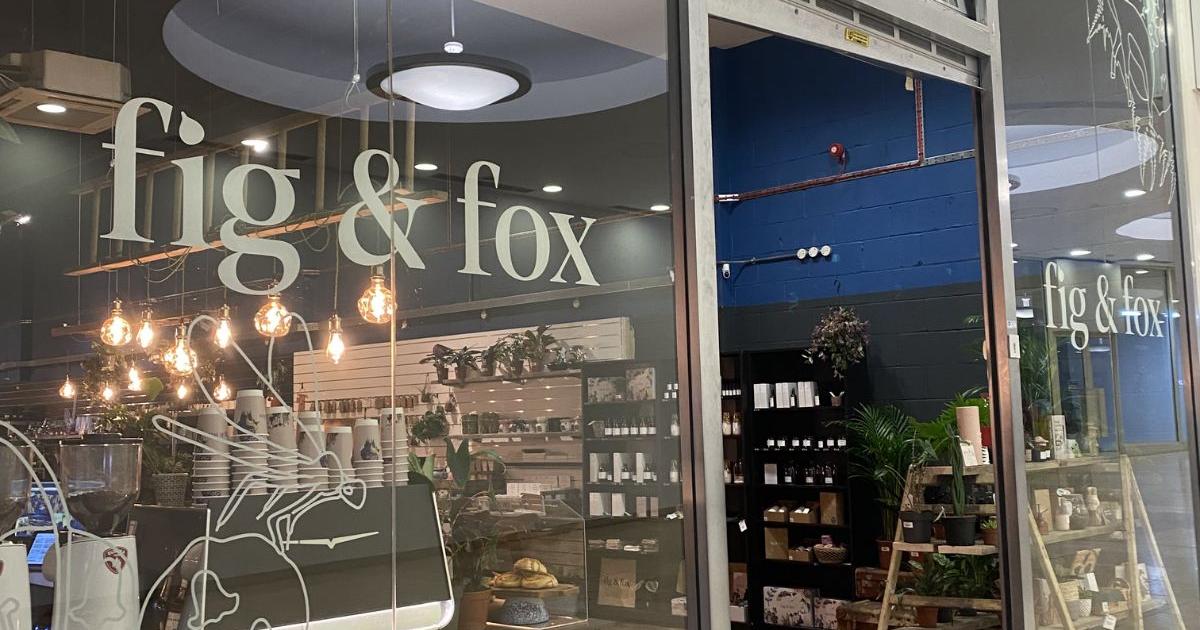
The news surrounding Fig & Fox Store Closures has sparked interest among fashion-conscious shoppers across the UK. As consumers continue to navigate a rapidly changing retail landscape, the closure of independent and boutique fashion retailers raises important questions about the future of high-street shopping, customer loyalty, and evolving buying habits.
In recent years, British retail has faced significant challenges, from rising operational costs and changing consumer behaviour to increasing competition from online marketplaces. The story of Fig & Fox Store Closures reflects many of these wider industry trends and highlights the pressures facing modern fashion retailers.
Understanding the Fig & Fox Store Closures
The discussion around Fig & Fox Store Closures has gained attention among customers who valued the brand’s distinctive approach to fashion, lifestyle products, and curated collections.
Independent retailers often build strong relationships with their communities by offering carefully selected products and personalised customer experiences. However, even well-loved brands can face difficulties when market conditions become increasingly challenging.
Several factors commonly contribute to retail closures, including:
- Rising commercial rents
- Increased energy and operating costs
- Reduced footfall on the high street
- Growth of online shopping platforms
- Supply chain disruptions
- Changing consumer spending habits
These challenges have affected businesses of all sizes throughout the UK retail sector.
The Current State of the UK Retail Industry
The UK retail market has undergone significant transformation over the past decade. Traditional shopping habits have shifted dramatically as consumers increasingly embrace digital purchasing channels.
Many shoppers now prefer the convenience of online browsing, home delivery, and flexible payment options. While physical stores still play an important role, retailers must adapt to meet changing expectations.
How Consumer Behaviour Has Changed
Today’s customers typically expect:
- Fast delivery services
- Seamless online shopping experiences
- Mobile-friendly websites
- Flexible returns policies
- Sustainable fashion options
- Competitive pricing
Retailers that fail to adapt to these expectations may struggle to maintain long-term growth.
The Rise of Online Fashion Retail
The growth of online fashion shopping, digital retail trends, and e-commerce fashion brands has created new opportunities but also intensified competition.
Consumers can now compare products, prices, and reviews within seconds, making it more difficult for smaller retailers to compete solely on convenience.
Why Boutique Fashion Retailers Face Unique Challenges
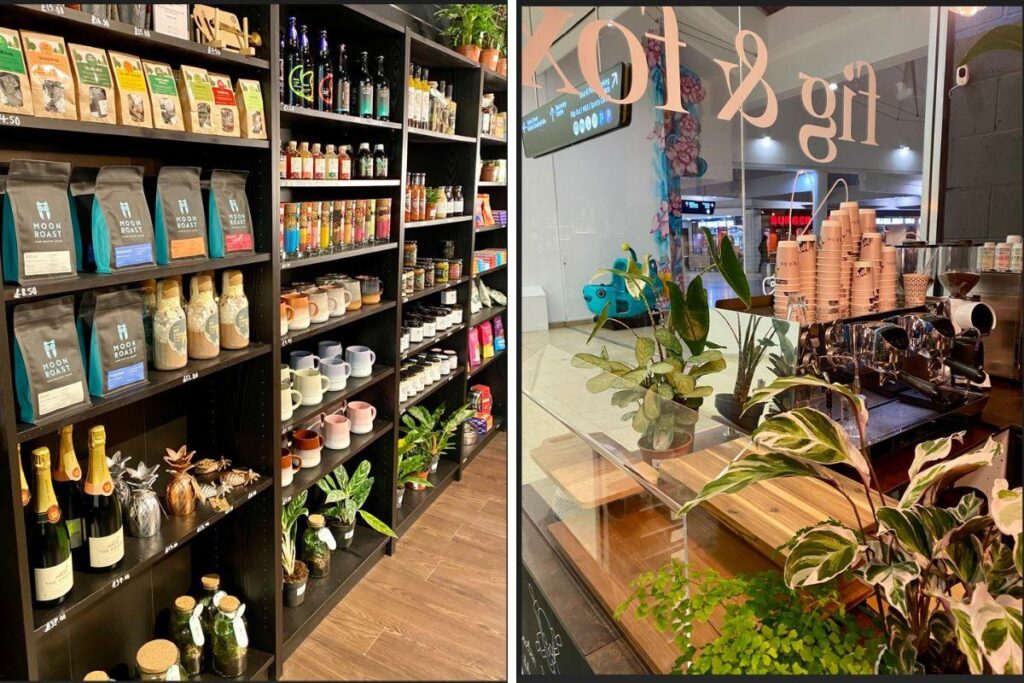
Boutique retailers such as Fig & Fox Store Closures often differentiate themselves through carefully curated collections and personalised customer service.
While this approach can create strong brand loyalty, it also presents certain challenges.
Higher Operating Costs
Independent retailers frequently face higher costs than major chains. These expenses may include:
- Premium product sourcing
- Smaller purchasing volumes
- Higher per-unit inventory costs
- Boutique store maintenance
- Specialist staffing requirements
Without the economies of scale enjoyed by larger competitors, maintaining profitability can become increasingly difficult.
Increased Competition from Fast Fashion
The growth of fast-fashion retailers has transformed the industry. Consumers can access new styles quickly and often at lower prices.
This has placed pressure on independent brands that focus on quality, craftsmanship, and unique collections rather than mass-market production.
Impact on Customers and Local Communities
Fig & Fox Store Closures extend beyond the loss of a shopping destination. They can affect local communities, employment opportunities, and the overall character of high streets.
Many customers appreciate boutique retailers because they offer:
- Personal styling advice
- Exclusive product ranges
- Community-focused shopping experiences
- Local employment opportunities
- Unique brand identities
When such stores close, communities often lose more than just a retail outlet.
What UK Shoppers Can Learn from Fig & Fox Store Closures
The story behind Fig & Fox Store Closures highlights broader changes occurring throughout the fashion industry.
Consumers increasingly influence retail success through their purchasing choices. Supporting independent businesses can help preserve diversity within the retail sector while encouraging innovation and creativity.
Smart Shopping Strategies for Fashion Buyers
If you’re looking to support sustainable and independent fashion brands, consider:
- Shopping locally when possible.
- Investing in quality over quantity.
- Supporting ethical fashion businesses.
- Following independent brands online.
- Participating in local shopping events.
These habits can contribute to a healthier and more diverse retail environment.
Balancing Online and High-Street Shopping
A balanced approach often offers the best experience. While online shopping provides convenience, physical stores allow customers to:
- Assess fabric quality
- Try on garments
- Receive expert advice
- Discover unique collections
- Support local economies
Combining both channels helps maintain a vibrant retail ecosystem.
The Future of Independent Fashion Retail in the UK
Despite ongoing challenges, independent fashion retailers continue to play an important role within the British fashion market.
Many successful boutiques are embracing:
- Hybrid online and in-store models
- Social media marketing
- Personal shopping services
- Sustainable product collections
- Community-driven retail experiences
These strategies may help smaller brands remain competitive in an increasingly digital marketplace.
Emerging Trends Shaping Fashion Retail
Several key trends are expected to influence the future of the sector:
- Sustainable fashion growth
- Circular economy initiatives
- Personalised shopping experiences
- Artificial intelligence in retail
- Omnichannel customer journeys
Retailers that successfully adapt to these trends may be better positioned for long-term success.
Frequently Asked Questions (FAQ)
Why are Fig & Fox store closures attracting attention?
The closures have gained interest because they reflect wider challenges facing independent fashion retailers across the UK, including rising costs and changing consumer shopping habits.
What factors typically lead to boutique fashion store closures?
Common factors include increased operating expenses, lower high-street footfall, stronger online competition, supply chain pressures, and shifts in consumer spending behaviour.
How can shoppers support independent fashion retailers?
Consumers can support independent retailers by shopping locally, purchasing quality products, engaging with brands online, and recommending their favourite businesses to friends and family.
Conclusion
The story of Fig & Fox Store Closures serves as a reminder of the significant changes reshaping the UK fashion and retail landscape. While independent retailers face increasing challenges, they remain an essential part of Britain’s shopping culture, offering creativity, individuality, and community value that larger chains often struggle to replicate.
For shoppers, the key takeaway is simple: supporting quality independent businesses today can help ensure a more diverse, vibrant, and inspiring retail environment for the future.
For More Update Visit: Jasmine Harman Illness